In the past couple of weeks, Gen Z has taken a hit in the headlines:
Newsweek — “Nearly Half of Gen Z Is Lying on Job Applications”
HR Dive — “Over Half of Hiring Managers Say Recent Grads Are Unprepared for the Workforce”
Inside Higher Ed — “25 Stats on 2025 Grads,” showing hiring is down and confidence is shaky
The Washington Post — Career centers urge Gen Z to prioritize pay, not just passion
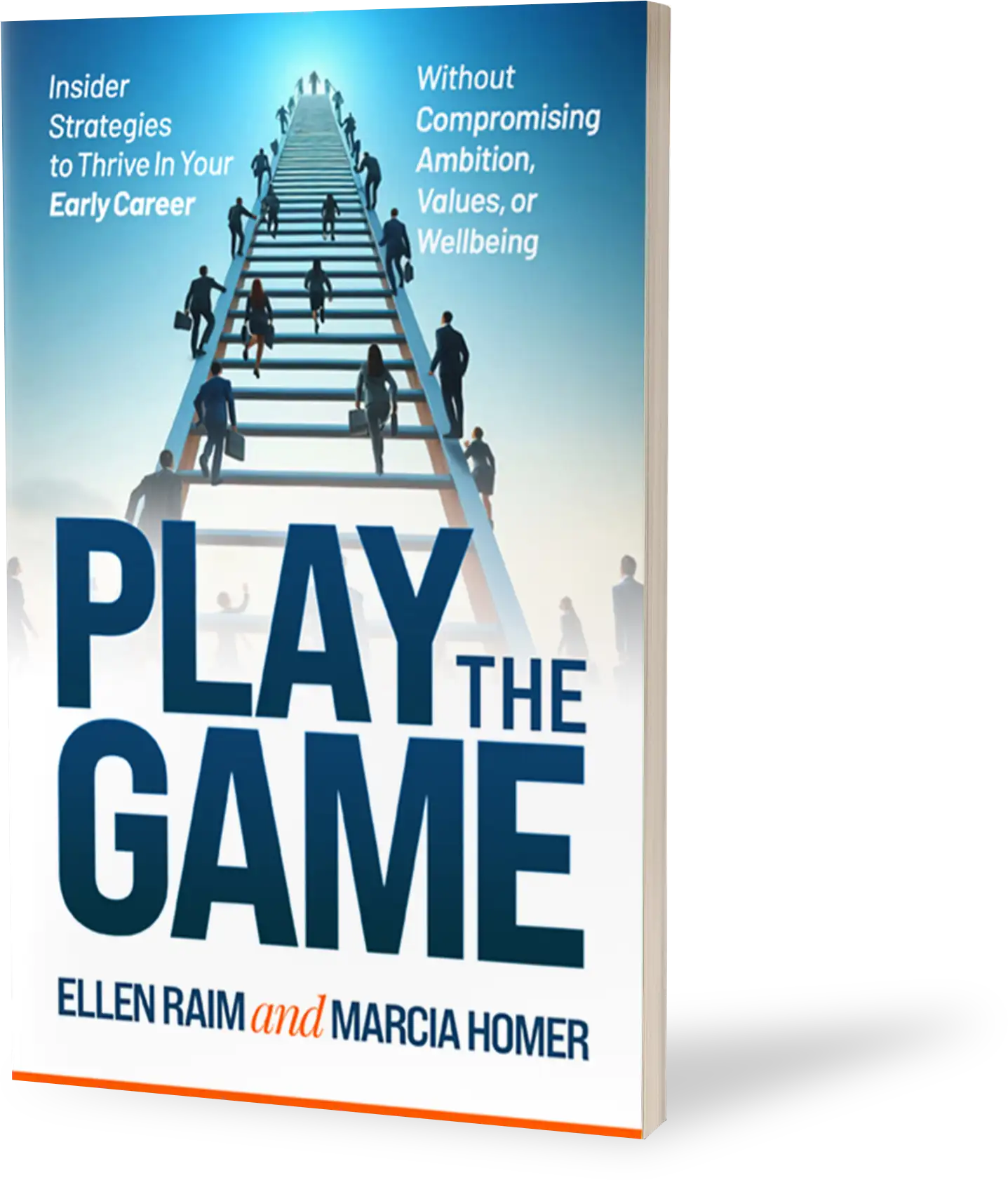
If you manage early-career talent, it’s tempting to read these and walk away shaking your head. If you are Gen Z it’s understandable if you want to hide. But here’s the truth: Gen Z isn’t really the problem. Some of is a side effect of a huge organizational shift. Workplace norms are in a massive state of flux.
What the Data Tells Us
Preparedness and Professionalism
Employers cite time management, excessive phone use, and feedback struggles.
But 88% of students believe their coursework prepared them. That’s a perception gap, not a capability gap.
Trust and Truthfulness
Yes, 47% admit to exaggerating on job applications. But look closer:
- Finding a job right now often feels like a fool’s errand
- Hiring is down 16% year-over-year
- Job descriptions overpromise just as often
- Candidates are faking competence to survive a system that rewards polish over accuracy
Values Misalignment
Gen Z wants purpose, flexibility, and support—but many workplaces are still built around models that don’t flex at all. And leadership seems intent on enforcing those controls.
The First Step
Approach the situation with resolve and not judgment. Leaders, stop defaulting to “they’re not ready and we just can’t work with them.” New hires, stop focusing on your workplace’s gaps and start thinking about what you are learning.
Other Forward-Thinking Steps for Leaders
- Invest in real onboarding, not orientation.
Spend several months on coaching, soft skill development, and clear expectations.
- Focus on trust and transparency.
Clarity about performance, growth, and company goals builds true loyalty. - Train managers.
Help them understand how to give feedback, model professionalism, and build belonging. - Audit your job descriptions.
Are they accurate? Or are you selling a curated version of your company, just like candidates are doing with their résumés?
We will not be successful just saying: “oh kids these days.” This is a systems problem.
If we want to build workplaces where early-career professionals thrive, everyone has work to do.